
Home Run Reader
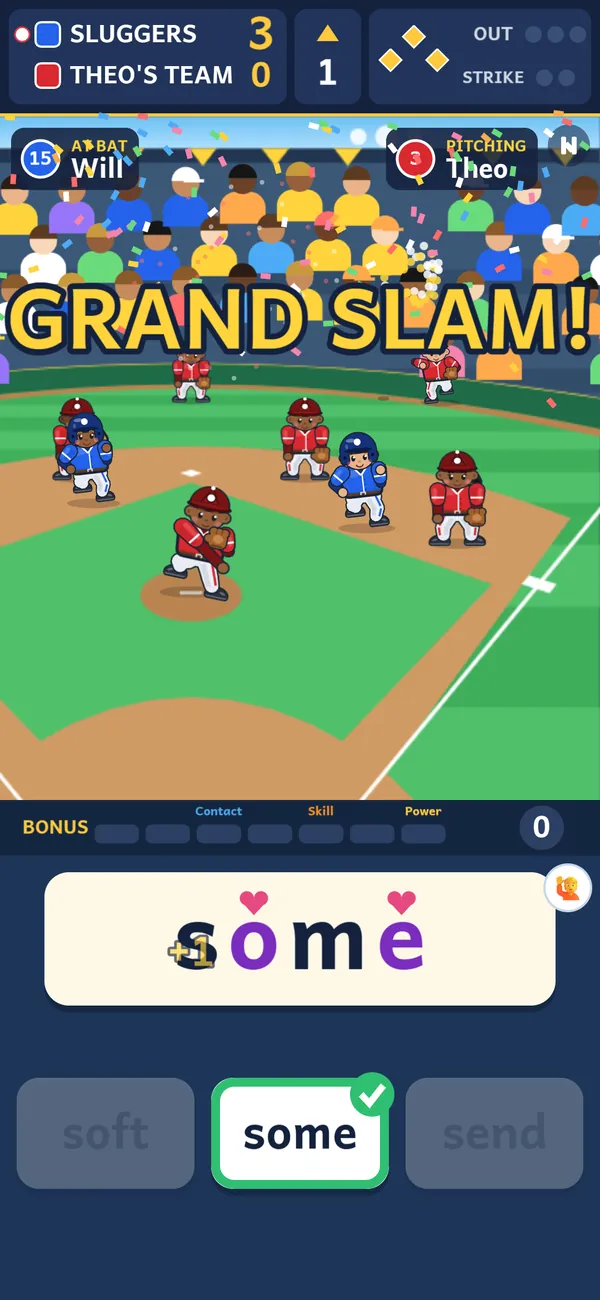
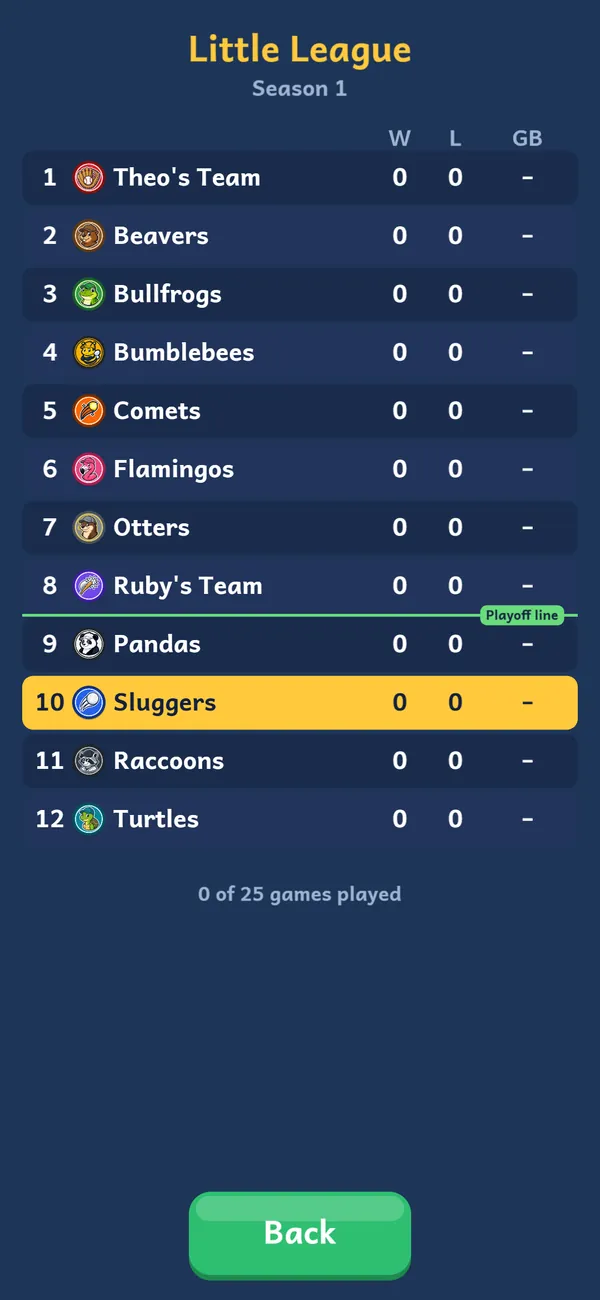
Every right answer is a swing, and right answers in a row turn singles into doubles, triples, and home runs. Play a whole season, then move up from Little League to the World League.
Phonics and math games · Pre-K to 5th grade
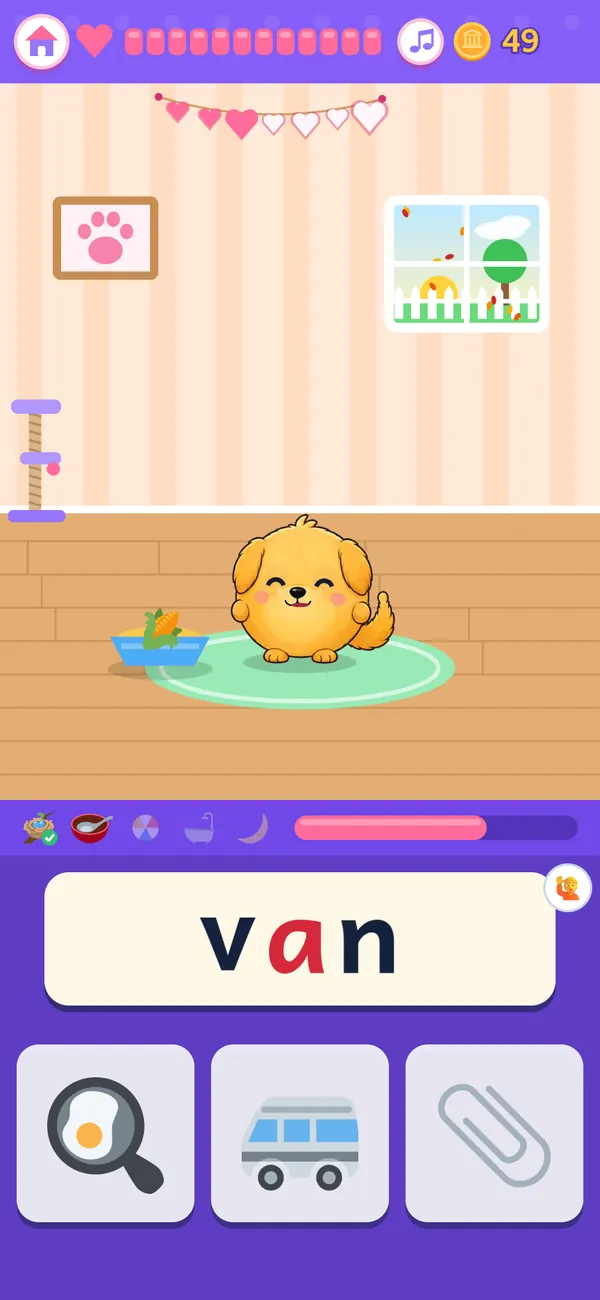
Your child reads a word to swing the bat, race the bike, or feed a new pet. Behind the fun is a careful phonics program that follows Orton-Gillingham principles, and math from counting to fractions, at your child's own pace.
LadderLeaf™ Learning is in a private beta on the web now. Coming to Google Play and the App Store.

How it works
No test to dread. Your child's first game quietly finds where to start, then fine-tunes it as they play. You can also set the level yourself.
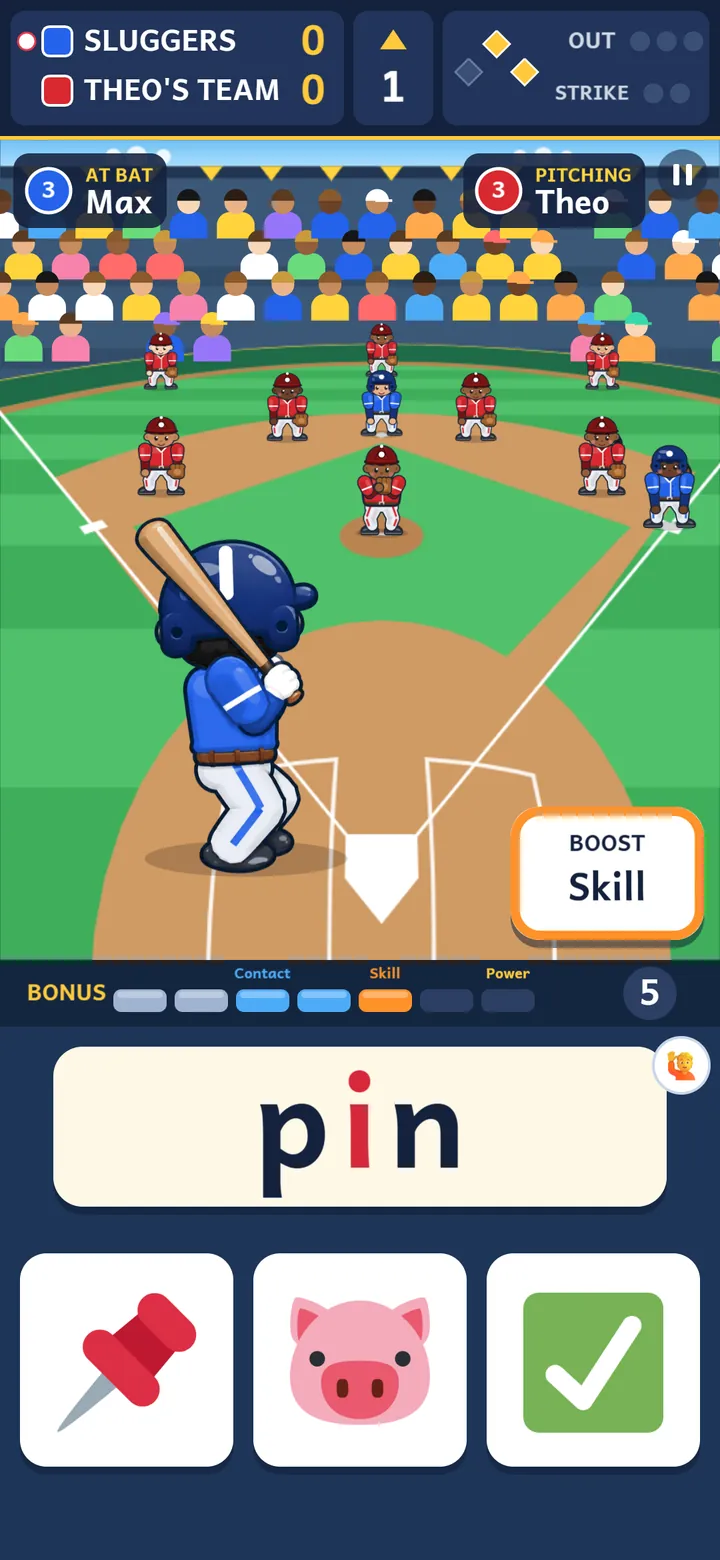
A right answer is a hit, a boost, or a treat for a pet, and right answers in a row make bigger plays. A miss shows the right answer at once, with a soft sound, never a buzzer.
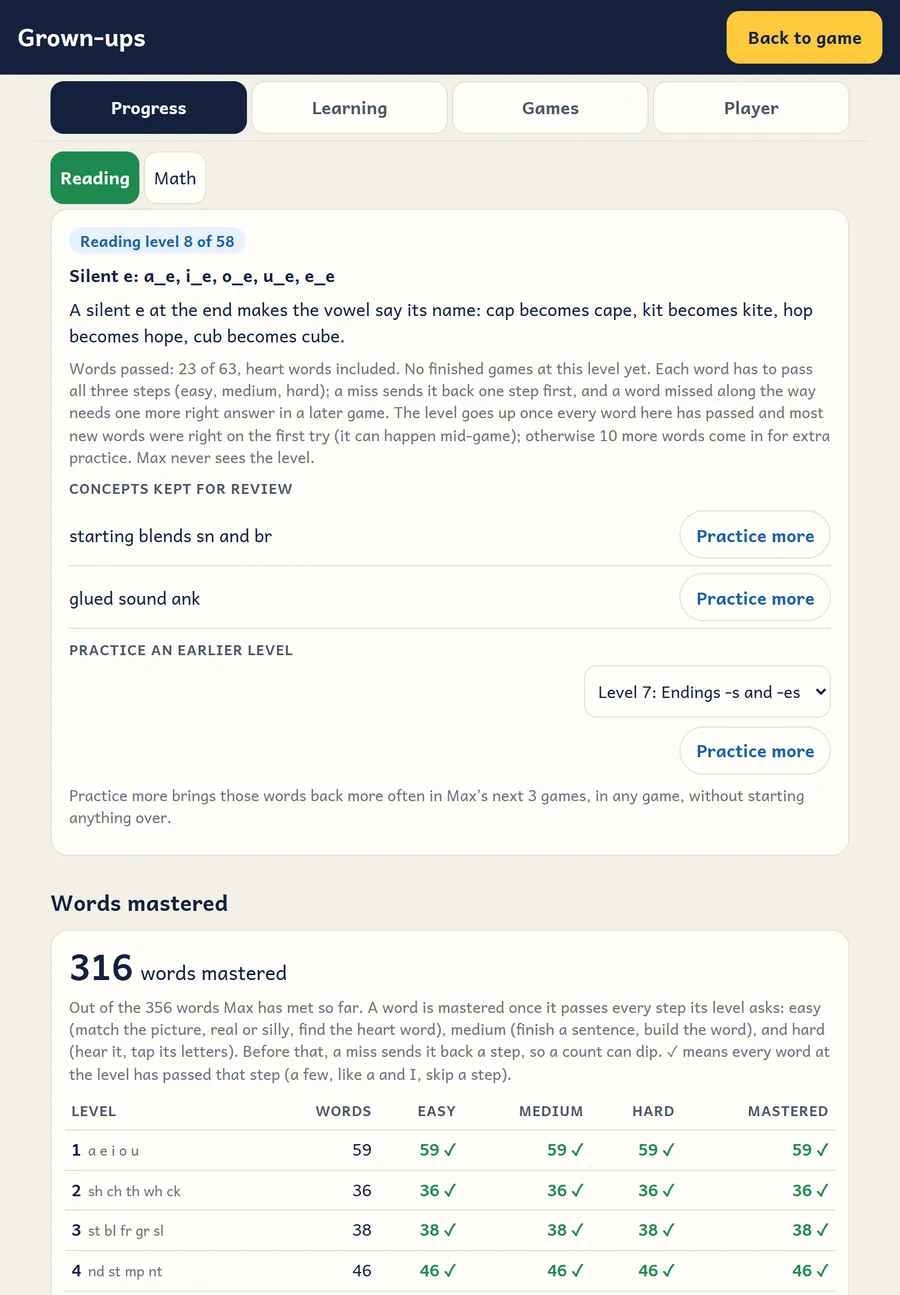
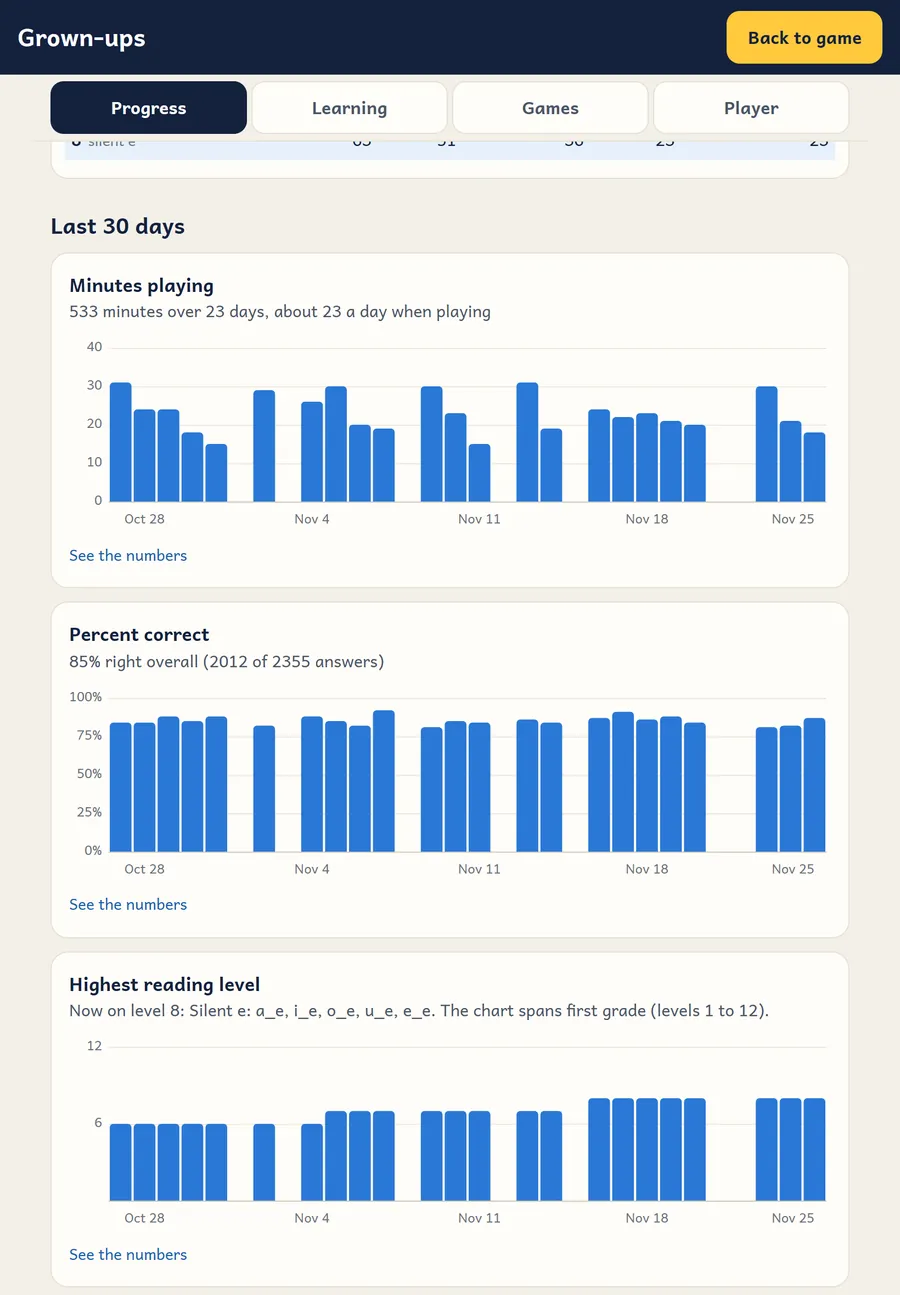
The Grown-ups page shows the level, what it teaches, the ideas kept for review, and 30 days of charts. Your child never sees a level number, just their team, pets, or race.
Reading, Pre-K to 5th grade
LadderLeaf's reading follows Orton-Gillingham principles: explicit, systematic, cumulative, multisensory, and diagnostic. Each level teaches one new pattern and reviews the ones before it, and every practice word uses only what has been taught.
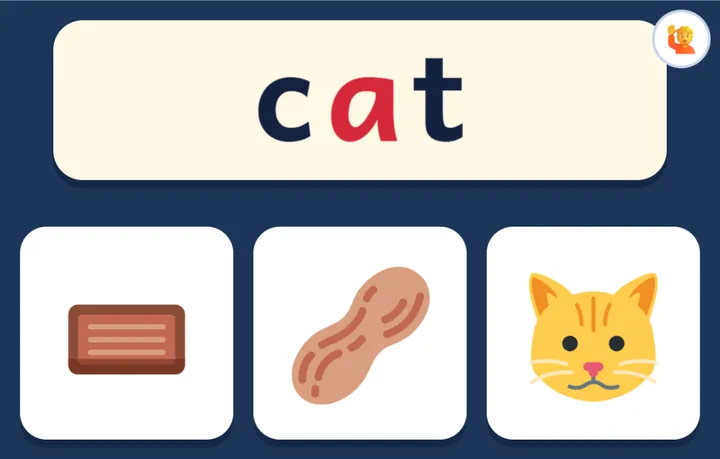
A picture never gives a word away. It shows up only as an answer choice, after your child has read the word, and one wrong choice differs by a single sound.
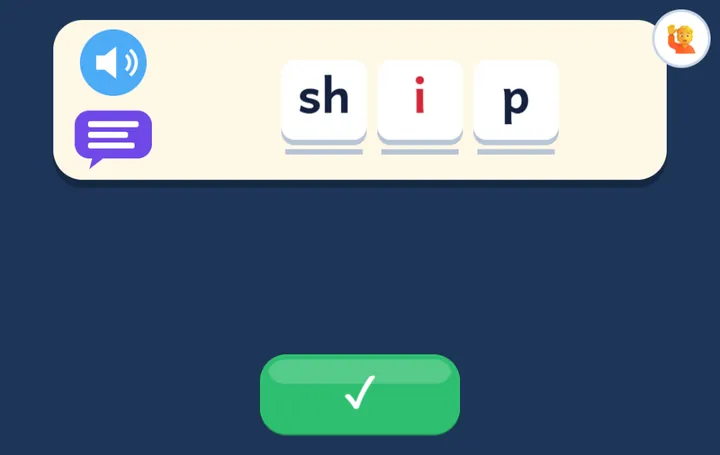
Children hear a word, see its letters, and build it from tiles. Letter teams like sh and endings like -ing are single tiles, and vowels can be shown in their own color.
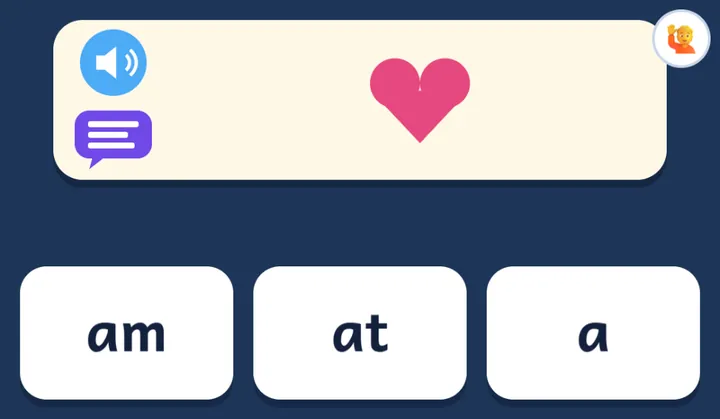
Common words with a tricky spelling, like said and was, show their tricky letters with a heart the first time, and then are practiced like any other word.

After a few misses on the same pattern, a short card names the letters, plays their sound, and walks through a model word. Then the game goes on.
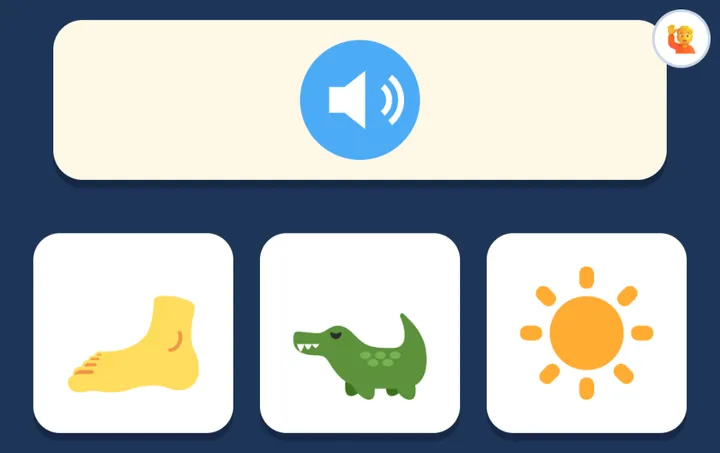

Math, kindergarten to Algebra 1
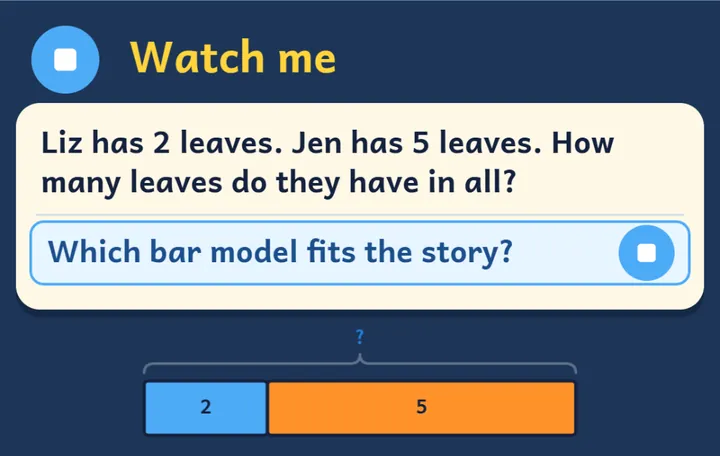
110 levels and 309 skills, from counting to 10 through quadratic equations. It's close to a core program for kindergarten through 5th grade, and strong practice beside a textbook after that.
The games
Kids pick the game, and you pick the subject. Reading and math work inside every game, and progress follows your child from one game to the next.
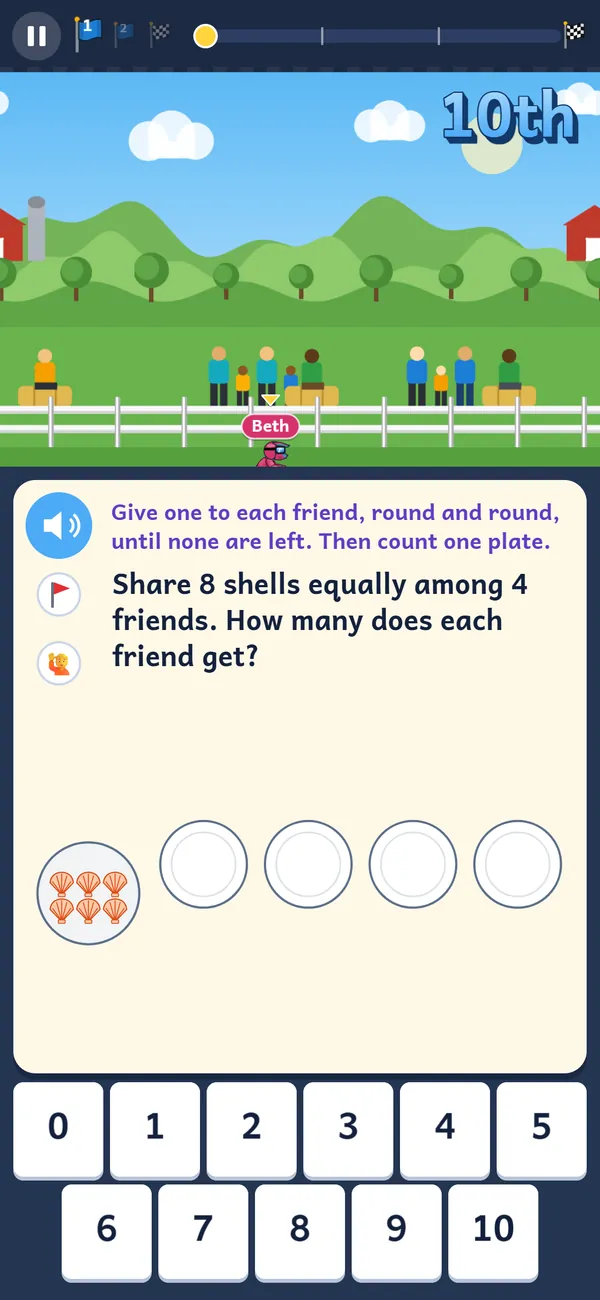
Every right answer is a swing, and right answers in a row turn singles into doubles, triples, and home runs. Play a whole season, then move up from Little League to the World League.

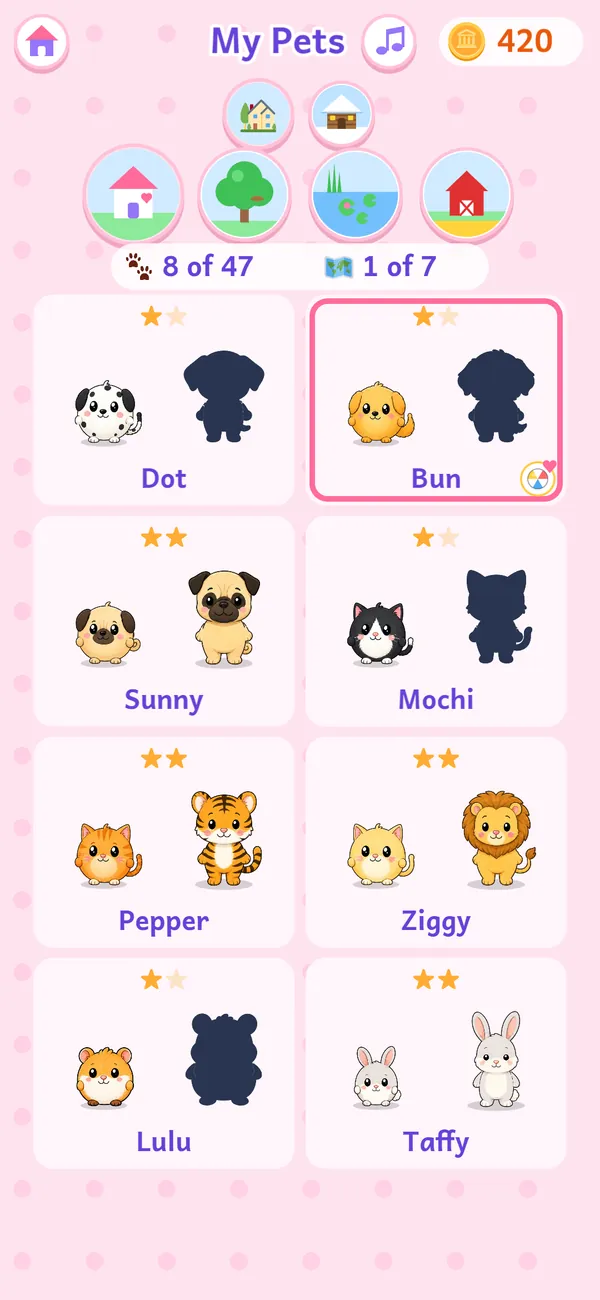
Hatch an egg and raise a pet. Each right answer feeds it, bathes it, or plays with it. Collect pets in homes from a cozy room to an aquarium, and trade with brothers and sisters.

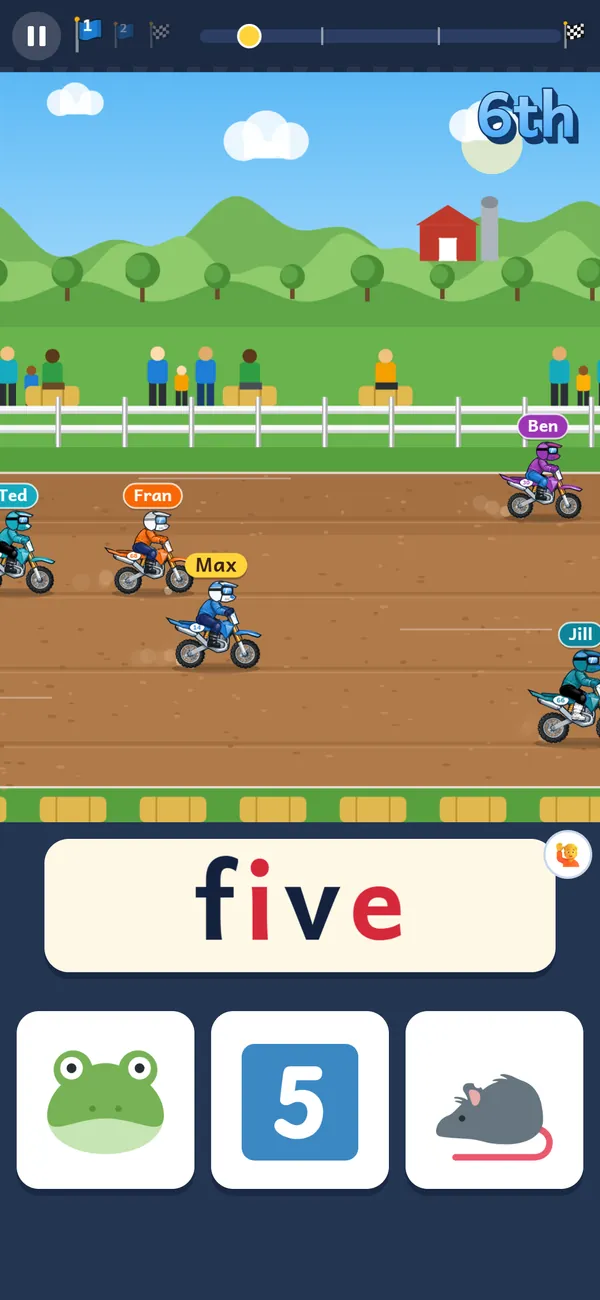
Race eleven other riders through a season. Careful reading wins, not fast tapping, and right answers bring ramps, jumps, and tricks.

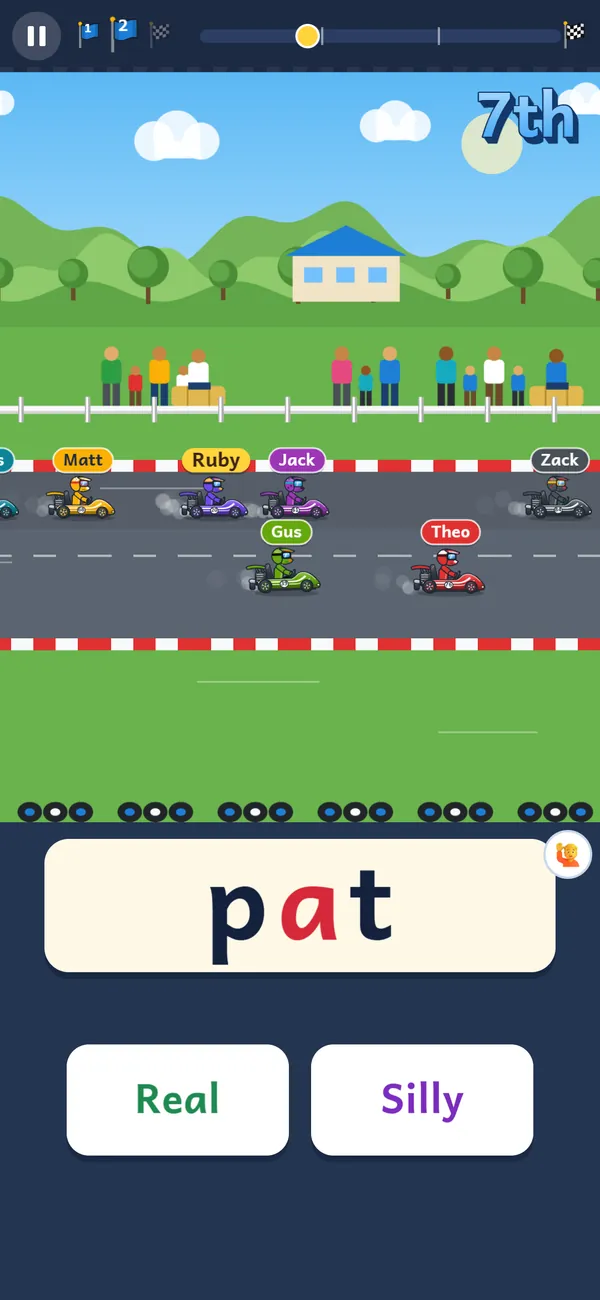
Race go-karts on twisting tracks at bigger and bigger places, with a brother or sister in the race.

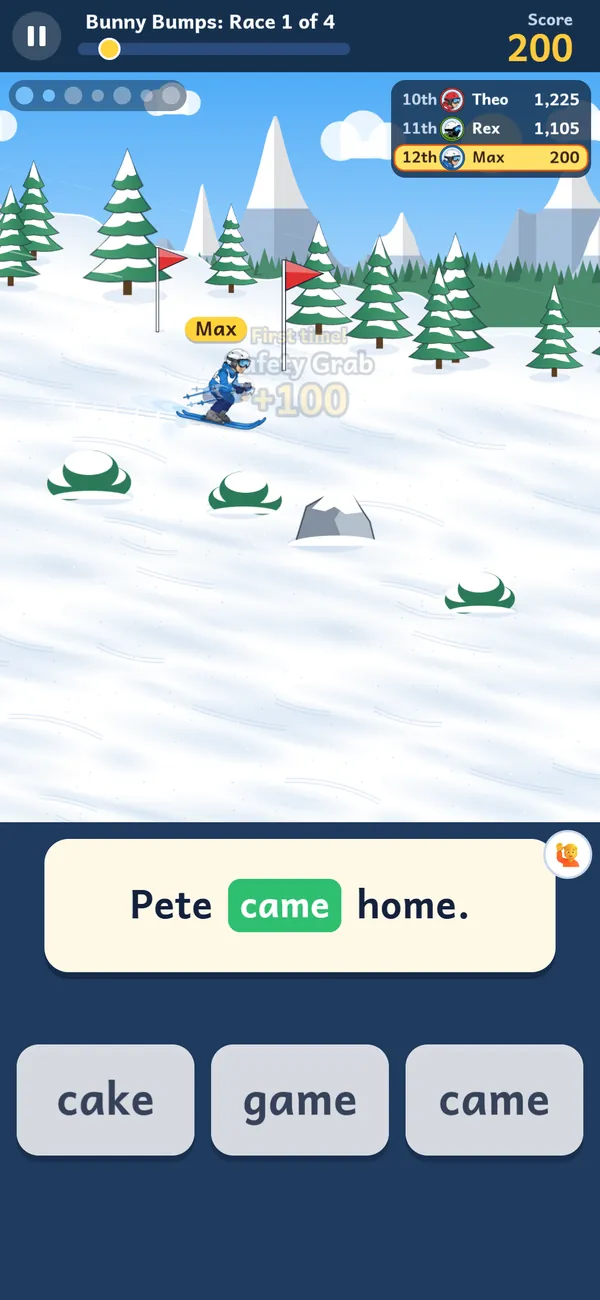
Ski, snowboard, or sled. Each right answer brings a jump, and a streak of right answers earns bigger tricks.

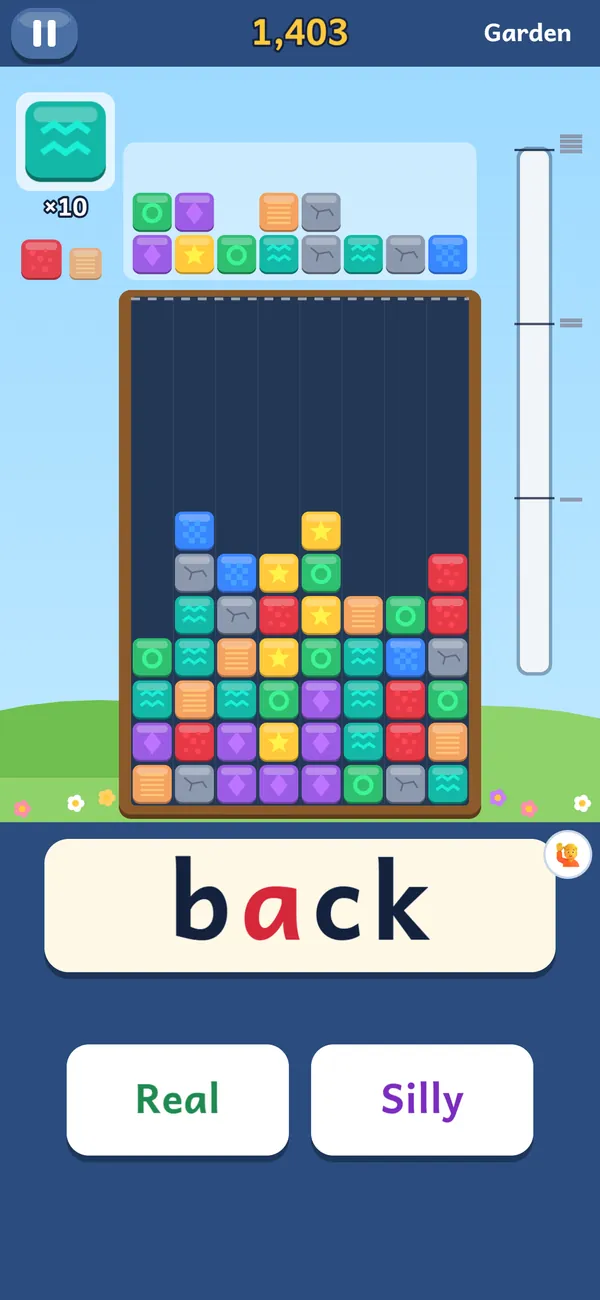
A calm block puzzle. Each right answer pops a color's blocks, and nothing falls while a question is up.
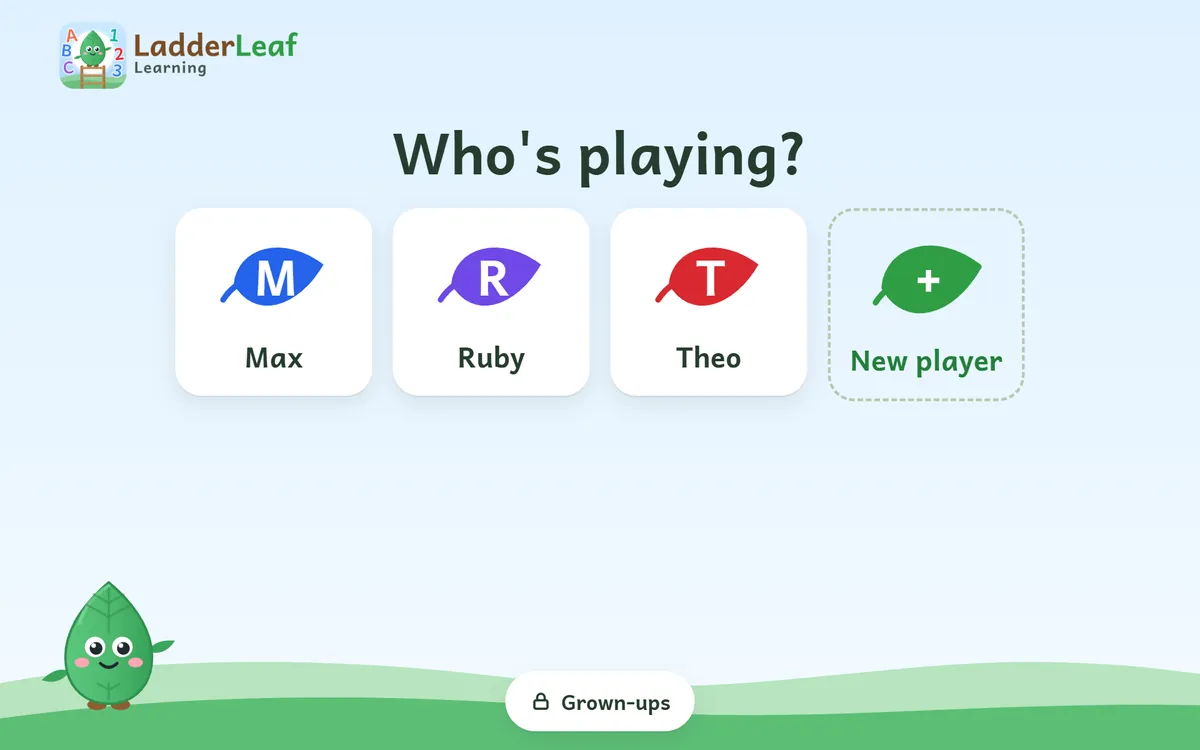
Each child taps their name, then picks a subject and a game. You choose which subjects and games each child sees.
Subjects
Pre-K to 5th grade
A complete phonics program for Pre-K through 3rd grade, catch-up for older readers, and word study for 4th and 5th.
Kindergarten to Algebra 1
Teaching and practice from counting to fractions and decimals, then on through Algebra 1. Learn in order, or take a short course on one topic.
Age 7 and up
A full keyboarding course, from the home row to 25 words a minute, with accuracy first. It uses words your child can already read, and needs a keyboard.
Optional
Off until you turn it on. Short, exact passages of the King James Bible, mixed lightly into the reading games. More about Scripture reading
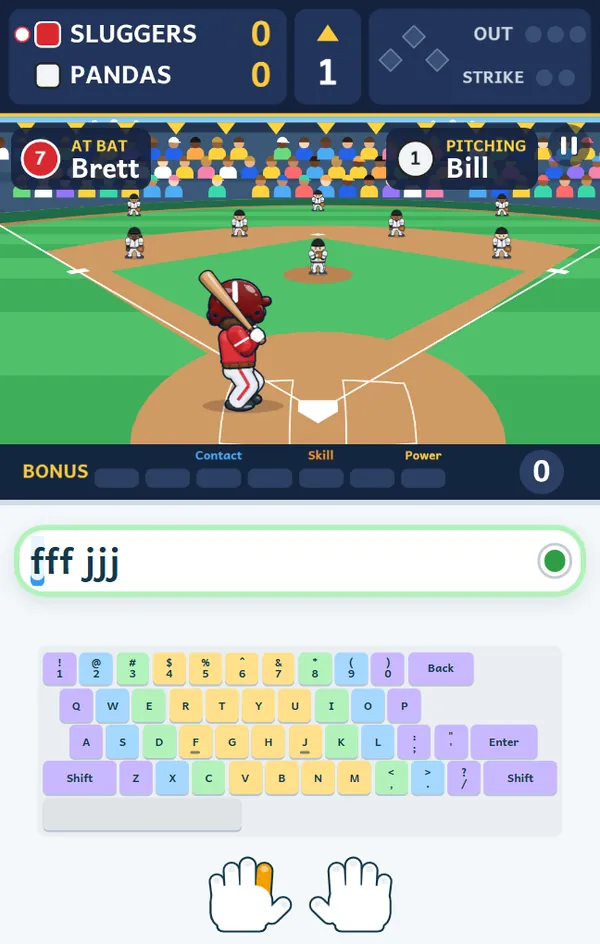
Each line typed is a pitch, a care for a pet, or a boost in a race. The keyboard stays on the screen with each finger's keys in their own color, and the finger for the next key lights up on a picture of two hands.
Lessons go from F and J on the home row through every letter, capitals, marks, and numbers, then build speed only once accuracy is there.
For grown-ups
The Grown-ups page is behind your family password. It tells you what each child is learning in plain words, and lets you steer.
Family play
Our standards
LadderLeaf was built for our own children first. These rules come before everything else.
No advertising, no analytics, and no third-party trackers, in the games or on this site. We never sell or rent information about your family.
Every word, sentence, picture, and recording is in the app ahead of time. Nothing is made up by a computer on the spot.
All of it is kept in plain lists a parent reads, and every word is checked against a list of words to leave out.
Every character is modestly dressed. No magic, romance, gambling, rude humor, or violence beyond normal play. Sentences are about family, animals, sports, nature, and helping others.
No buzzers, no hearts to lose, no loot boxes, and no timers pushing kids to keep playing.
A family account keeps only what the games need. You can see or delete it all. Privacy Policy · Delete an account
An honest fit
Questions
Children from Pre-K through 5th grade, and older children filling gaps in phonics. We made it first for our own children, and it suits any child who would rather play than do worksheets, especially kids who love sports and games or need more reading practice. It fits homeschool families, tutors, and parents supporting a school day.
It follows Orton-Gillingham principles: explicit, systematic, cumulative, multisensory, and diagnostic, with one new pattern at a time and decoding before pictures. It's a teaching and practice tool you run at home, not a replacement for a trained tutor, and it isn't a treatment for dyslexia or any learning difference.
No. Placement is just their first game, and they never see a level number, only their team, pets, or race. A miss shows the right answer kindly and play goes on. Extra practice comes as new words for the same pattern, so the games keep going well.
A baseball game is about 15 to 25 minutes of reading, and a game left partway picks up next time. You can set a daily goal and a daily limit for each subject, and animations stay short so reading time is most of the time.
Tablets, phones, and computers, in a web browser. It installs to the home screen and works offline once it's loaded. Apps for Google Play and the App Store are coming. Typing needs a keyboard.
Progress is saved on the device. With an optional family account, a grown-up's email and each child's first name or nickname and progress are kept in a private space only your family can reach, so progress follows your child across devices. There are no ads, no analytics, and no tracking. See the Privacy Policy, or delete an account.
Not while your child plays. Every word, sentence, picture, and voice recording is made ahead of time, reviewed by a parent, and stored in the app. The voice is a clear, natural computer voice, recorded once, word by word.
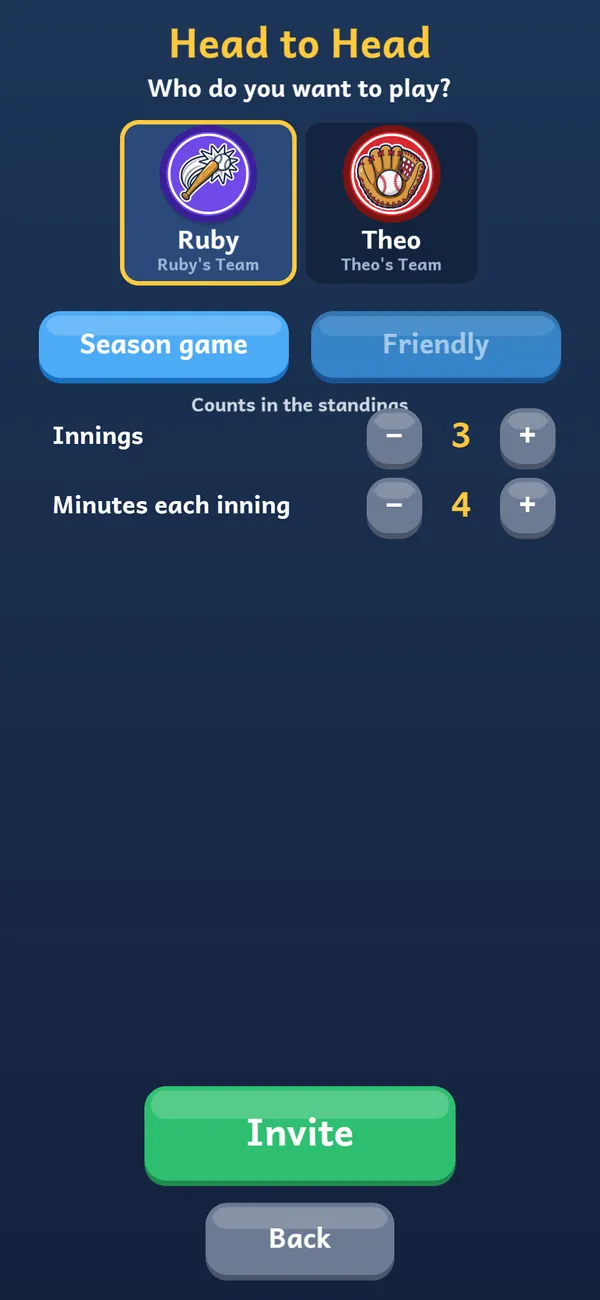
Yes. A family can have up to 12 players, each with their own level, progress, team, and pets, and they can play in each other's leagues and races or head to head.
We haven't set a price yet. LadderLeaf is in a private beta now, and we'll share the price before the apps come out.
Write to hello@ladderleaflearning.com and ask for an invite. Tell us the grades of the children who'd play and the devices you'd use, and we'll send a link to the beta.
LadderLeaf is in a private beta. Write to us and we'll send you an invite to the web version. We read every email.
Ask for an invite